JBHR Emblem: Structural & Geopolitical Analysis
Deep diplomatic, symbolic and institutional research breakdown
Deconstructing the Symbol
This analysis presents a structured deconstruction of the Japan-Bangladesh Human Rights (JBHR) emblem as a hybrid visual system combining geopolitical identity, humanitarian ideology, and institutional legitimacy. The emblem functions not only as a logo but as a diplomatic language system encoding bilateral cooperation and universal human rights values.
Study Composition
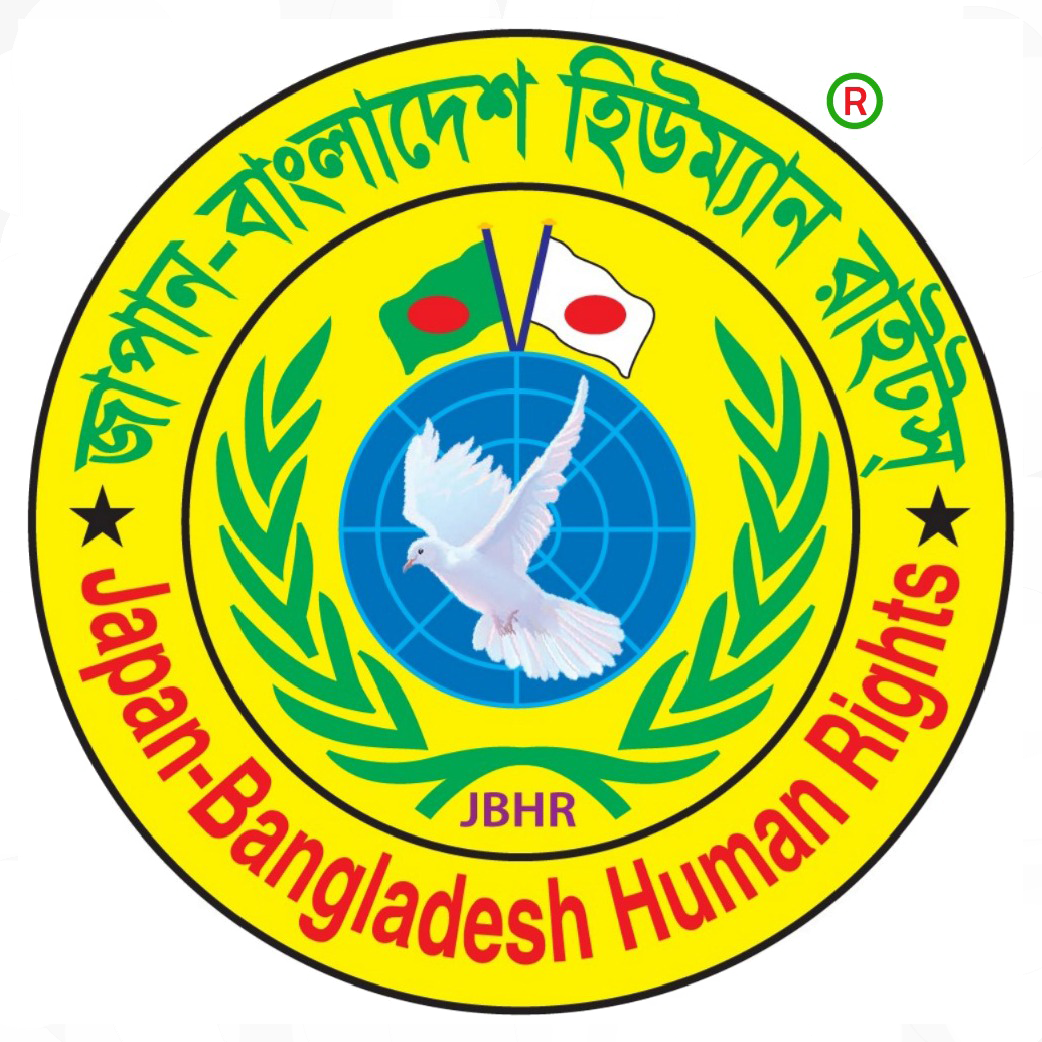
The JBHR emblem is constructed as a circular seal motif. At its center lies a blue global sphere representing universality. A white dove overlays the globe symbolizing peace, humanitarian action, and movement. On both sides are the national flags of Bangladesh and Japan, establishing bilateral identity. Encircling the structure is bilingual typography in Bengali and English, reinforcing linguistic inclusivity and institutional duality.
Diplomatic Classification System
The emblem can be divided into four analytical domains: (1) Linguistic identity ensuring bilingual representation, (2) Geopolitical anchoring defining bilateral partnership, (3) Universal canvas borrowing global institutional aesthetics, (4) Active humanitarian signal communicating mission-oriented purpose.
Bilateral Structural Bridge
The flags of Bangladesh and Japan converge at a shared central axis aligned above the global grid. This convergence represents a symbolic diplomatic handshake elevated into planetary cooperation architecture.
Geometric Continuity
Both national flags contain a central red circular motif. Bangladesh represents the rising sun over green land symbolizing independence and vitality, while Japan represents purity and simplicity over a white field. Together they form a visually harmonious geopolitical symmetry.
Universal Signal of Action
The white dove breaks structural rigidity and introduces dynamic upward movement. Its trajectory symbolizes liberation, humanitarian intervention, and continuous motion beyond static representation.
Borrowed Institutional Authority
The emblem draws structural inspiration from global institutions such as the United Nations. Its circular globe mapping and laurel-like framing evoke diplomatic legitimacy, international governance, and visual authority.
Typographic Equilibrium
The bilingual structure distributes Bengali script in the upper hemisphere and English script in the lower hemisphere. This arrangement ensures linguistic balance, cultural representation, and institutional accessibility.
Functional Color System
Each color plays a symbolic role: Blue represents global peace, Green reflects national identity, Red symbolizes priority and focus, Yellow ensures visibility, White and black maintain structural clarity and contrast.
Hierarchical Visual Structure
The emblem follows a structured reading flow: Dove → Flags → Globe → Typography. This hierarchy ensures semantic clarity and controlled visual interpretation.
Institutional Legitimacy Anatomy
Effective NGO branding emerges from three forces: sovereign identity, borrowed global authority, and active humanitarian mandate. The JBHR emblem integrates all three into a unified visual constitution.
Visual Diplomacy
In the human rights sector, symbols function as first-contact communication tools. The JBHR emblem demonstrates that every line, color, and structure is a calculated diplomatic decision encoding identity and authority.
